
The Influence of Risk and Reward
The psychology of gambling is profoundly intertwined with the concepts of risk and reward. Players often seek thrilling experiences, and the potential for gain can stimulate their desire to engage with various games. The allure of a jackpot or a winning streak can push individuals to choose games that offer higher payouts, even if the odds of winning are lower. This paradox of risk is fascinating; players may consciously understand the odds yet still be drawn to games that promise bigger rewards. Moreover, the importance of a secure platform cannot be overstated, as it enables players to explore their options with peace of mind. link It ensures that their sensitive information remains protected, allowing for a more enjoyable gambling experience.
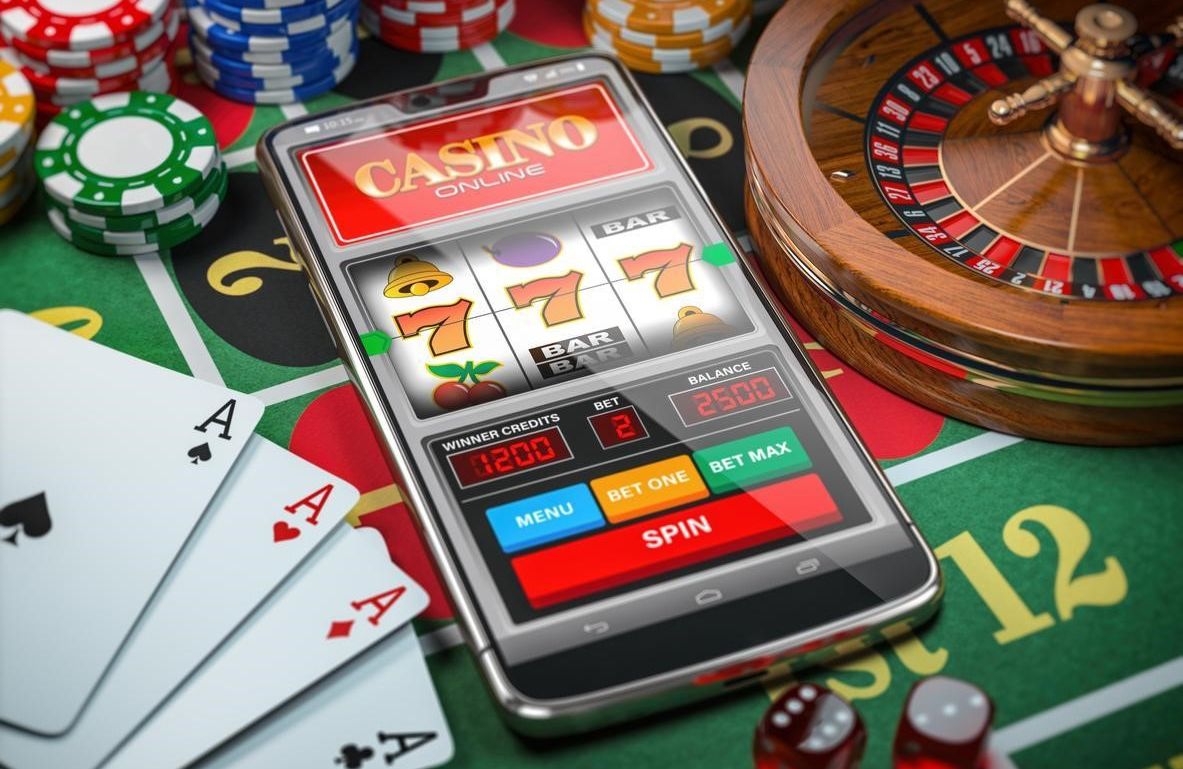
Furthermore, the immediate feedback provided by certain games, such as slot machines, can lead to an adrenaline rush that enhances the player’s experience. The dichotomy between the risk of loss and the thrill of potential victory creates a psychological push and pull, influencing players’ choices and engagement levels. This dynamic often leads to a repeated cycle of play, where the anticipation of a win overshadows the rational understanding of odds.
The Role of Emotions in Game Selection
Emotions significantly impact how players select their games at casinos. When individuals are in a good mood, they might gravitate toward games that offer social interaction, such as poker or blackjack, where they can engage with others. Conversely, during periods of stress or anxiety, players might turn to solitary games like slots, seeking an escape or distraction from their emotional state. The choice of game becomes a coping mechanism, demonstrating how emotional states can dictate gambling behavior.
Moreover, the ambiance of a casino—bright lights, sounds of cheering, and the excitement of nearby players—can evoke feelings of happiness and anticipation, further influencing game selection. When individuals find themselves in a stimulating environment, they are more likely to choose games that enhance their emotional experience, leading to a deeper investment in their gambling activities.
The Impact of Cognitive Biases
Cognitive biases play a pivotal role in how casino patrons make game choices. Many players exhibit the “gambler’s fallacy,” believing that past outcomes influence future results. For instance, if a player has witnessed several losses on a particular slot machine, they may erroneously conclude that a win is “due” to happen. This misunderstanding of probability affects their game selection, as they might linger on machines or tables they believe will yield better results based on historical outcomes.
Additionally, confirmation bias often leads players to favor games that align with their previous successful experiences. If a player has had significant wins while playing a specific game, they tend to focus on that game more, ignoring losses and reinforcing their belief in its favorable odds. These cognitive patterns can skew decision-making, often resulting in repeated behavior that may not be statistically justified.
The Influence of Social Factors
Social dynamics are a crucial aspect of how people choose casino games. Many players are influenced by friends or social circles, opting for games that their peers recommend or enjoy. This communal aspect of gambling can heighten the enjoyment of playing and create a shared experience that reinforces game choices. The popularity of certain games within social groups can drive individual preferences, as players often wish to align their interests with those of their companions.
Additionally, the presence of others can enhance the competition and excitement of certain games, particularly in poker or table games. This social pressure and camaraderie can motivate players to engage in games they might otherwise overlook, shaping their overall gambling behavior. The interplay between individual preferences and social influences creates a complex landscape of choice in casino environments.
Ensuring a Secure Gaming Experience
The psychology behind casino game choices underscores the importance of a secure gaming environment. Players should feel confident that their personal and financial information is protected while they explore various games. Understanding the psychological factors affecting game selection can enhance the overall gambling experience, but safety and privacy remain paramount. A secure platform provides the necessary peace of mind that allows players to fully engage with their experiences without the worry of potential security breaches.
As players delve into the world of gambling, it is essential that they choose platforms that value clarity and professionalism, ensuring that access limitations are in place for privacy and security. A well-designed casino experience should prioritize user protection while allowing for the exploration of diverse gaming options, blending psychological insights with the fundamental need for a secure environment in gambling.